Is blurry vision clouding your world? Discover the surprising causes—from everyday habits to underlying conditions—and explore evidence-based natural solutions to help restore clarity and protect your sight.
DISCLOSURE:
As an ClickBank Affiliate, I earn commissions from qualifying purchases made through links in this article. This income supports my research and content creation. Please understand that I recommend this product because I believe in its quality and benefits, and after conducting thorough research.
That moment of panic is all too familiar: you look at a sign, a screen, or a loved one’s face, and the image is no longer sharp. The world seems soft, out of focus, and frustrating. Blurry vision is one of the most common reasons people seek eye care, and it’s a symptom that can range from a temporary, harmless annoyance to a critical warning sign of a serious health issue.
The key to addressing blurry vision is not to ignore it or immediately assume the worst. The key is to understand its language. Is it a constant cloud? Does it come and go? Is it in one eye or both?
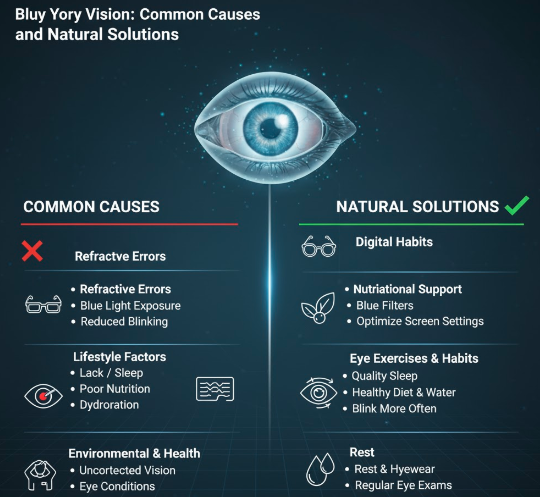
This comprehensive guide will decode the mystery of blurry vision. We will explore its myriad causes, from the digital devices that dominate our lives to the natural aging process and underlying health conditions. More importantly, we will provide a robust toolkit of evidence-based, natural solutions and lifestyle changes that can help you reclaim visual clarity and build a foundation of long-term eye health.
Part 1: Decoding the Blur – A Guide to Common Causes
Blurry vision isn’t a single condition; it’s a symptom. To find the right solution, you must first identify the potential cause.
Category 1: Refractive Errors (The Most Common Culprits)
These are problems with the eye’s ability to focus light directly on the retina. They are the reason most people wear glasses or contacts.
- Myopia (Nearsightedness): You see nearby objects clearly, but distant objects (like road signs or a whiteboard) are blurry. This occurs when the eyeball is too long, or the cornea is too curved, causing light to focus in front of the retina.
- Hyperopia (Farsightedness): You may see distant objects clearly, but close-up objects (like a book or your phone) are blurry. This happens when the eyeball is too short, or the cornea is too flat, causing light to focus behind the retina. In mild cases, young eyes can strain to compensate, leading to blurry vision at all distances due to fatigue.
- Astigmatism: Vision is blurred or distorted at all distances. This is caused by an irregularly shaped cornea or lens, which prevents light from focusing to a single point on the retina. Instead, it creates multiple focal points.
- Presbyopia: This is an age-related condition, typically emerging after age 40. The lens inside the eye becomes less flexible, making it difficult to focus on close objects. If you find yourself holding your menu at arm’s length to read it, you’re likely experiencing presbyopia.
Category 2: Lifestyle and Environmental Triggers
Often, blurry vision is a direct result of our modern habits and surroundings.
- Digital Eye Strain: Prolonged screen use is a primary driver of temporary blurry vision. When we stare at screens, we blink less (often only one-third of the normal rate), leading to tear evaporation and dry eyes. An unstable tear film creates a blurry, fluctuating image. The constant focusing effort on pixels also fatigues the eye’s focusing muscle (the ciliary muscle).
- Dry Eye Syndrome (DES): This is a major and often underestimated cause. DES isn’t just about a lack of tears; it’s about poor tear quality. Your tears are a complex mixture of oil, water, and mucus. If the oil-producing meibomian glands in your eyelids are clogged, the tears evaporate too quickly, leading to a blurry, gritty feeling that often improves with forceful blinking.
- Fatigue and Lack of Sleep: When your body is tired, your eyes are too. Fatigue can reduce the efficiency of the ciliary muscle and slow the refresh rate of your tear film, leading to temporary blurriness.
- Medication Side Effects: Many common medications can cause blurry vision as a side effect. These include:
- Antihistamines (for allergies)
- Decongestants
- Some blood pressure medications
- Antidepressants
- Corticosteroids
- Certain diuretics
They often work by reducing tear production or affecting the shape of the cornea or lens.
Category 3: Age-Related and Medical Conditions
These causes require professional diagnosis and management.
- Cataracts: A cataract is a clouding of the eye’s natural lens. Vision becomes progressively cloudy, dim, or hazy, as if you’re looking through a foggy window. Colors may seem faded. Cataracts develop slowly and are most common in older adults.
- Age-Related Macular Degeneration (AMD): AMD affects the macula, the part of the retina responsible for sharp, central vision. In the “dry” form, central vision becomes blurred or distorted, and you may need more light for reading. In the “wet” form, straight lines can appear wavy, and central vision loss can be rapid.
- Diabetes: Uncontrolled blood sugar can lead to diabetic retinopathy. High sugar levels damage the tiny blood vessels in the retina, causing them to leak fluid or bleed. This fluid can cause the macula to swell (macular edema), leading to significant blurry vision. Blurry vision can also be a temporary symptom of fluctuating blood sugar levels, which can cause the lens to swell.
- Glaucoma: This group of diseases damages the optic nerve, often due to high pressure inside the eye. While early stages may have no symptoms, certain types like acute angle-closure glaucoma can cause sudden blurry vision, severe eye pain, headache, and seeing halos around lights—a medical emergency.
When to Seek IMMEDIATE Medical Attention
Sudden blurry vision can be a sign of a serious problem. Seek emergency care if your blurry vision is:
- Sudden and severe
- Accompanied by eye pain
- Accompanied by a headache, confusion, slurred speech, or weakness on one side of your body (signs of a stroke)
- Accompanied by flashes of light, new floaters, or a shadow over your vision (signs of retinal detachment)
Part 2: Your Action Plan: Evidence-Based Natural Solutions
Before jumping to medical interventions, there are powerful, natural strategies you can employ to combat blurry vision, especially when it’s linked to lifestyle factors.
Solution 1: Master Your Digital Environment
Since screens are a primary culprit, managing your interaction with them is crucial.
- The 20-20-20 Rule: This is your first line of defense. Every 20 minutes, look at something 20 feet away for at least 20 seconds. This simple habit gives your focusing muscles a critical break and encourages blinking.
- Optimize Screen Settings:
- Brightness & Contrast: Adjust your screen brightness to match your surroundings—it shouldn’t feel like a flashlight. Increase contrast to make text easier to read.
- Color Temperature: Use “Night Shift” (Apple) or “Night Light” (Windows/Android) to reduce blue light emission, which can help reduce digital eye strain and improve sleep quality.
- Improve Ergonomics: Position your screen about an arm’s length away, with the top of the monitor at or slightly below eye level. This reduces strain on your neck and eyes.
Solution 2: Soothe and Hydrate Your Eyes
Combatting dryness is essential for clear, stable vision.
- Conscious Blinking: Make a habit of blinking fully and frequently, especially when using screens. Try “blink exercises”: close your eyes, pause for two seconds, squeeze the lids lightly, and then open.
- Warm Compresses: This is a highly effective treatment for Meibomian Gland Dysfunction (MGD), a leading cause of evaporative dry eye. Applying a warm, moist compress to your closed eyelids for 5-10 minutes daily helps melt the hardened oils in the glands, allowing them to flow freely and stabilize your tear film. Consistent use can dramatically improve tear quality and reduce blurriness.
- Hydrate Systemically: Drink plenty of water throughout the day. Dehydration can affect your body’s ability to produce tears.
- Use a Humidifier: Adding moisture to the air, especially in air-conditioned or heated environments, can prevent your tears from evaporating too quickly.
Solution 3: Nutritional Support: Feed Your Eyes for Clarity
The old adage “you are what you eat” is profoundly true for eye health. Specific nutrients act as building blocks and protective agents for your visual system.
- Lutein and Zeaxanthin: These two powerful carotenoids are often called “internal sunglasses.” They are concentrated in the macula, where they filter harmful high-energy blue light and neutralize free radicals, protecting the photoreceptor cells. Studies have shown they can improve visual performance, including contrast sensitivity and glare recovery.
- Food Sources: Kale, spinach, collard greens, corn, eggs, and orange peppers.
- Omega-3 Fatty Acids: These essential fats, particularly EPA and DHA, are critical for the health of the meibomian glands, supporting the oily layer of your tears. They also have potent anti-inflammatory properties.
- Food Sources: Fatty fish (salmon, mackerel, sardines), flaxseeds, chia seeds, and walnuts.
- Vitamin A: Essential for the production of rhodopsin, a pigment in the retina that allows you to see in low-light conditions. A deficiency can lead to night blindness and dry eyes.
- Food Sources: Sweet potatoes, carrots, pumpkin, beef liver, and butternut squash.
- Vitamin C: A powerful antioxidant that supports the health of blood vessels in the eyes, including the delicate vessels in the retina. It is also crucial for collagen production, which provides structure to the cornea and sclera.
- Food Sources: Citrus fruits (oranges, grapefruit), bell peppers, strawberries, and broccoli.
- Zinc: This mineral is highly concentrated in the retina and plays a vital role in transporting Vitamin A from the liver to the retina to produce melanin, a protective pigment. It acts as a co-factor for many enzymes involved in visual function.
- Food Sources: Oysters, beef, pumpkin seeds, and lentils.
Solution 4: Lifestyle and Behavioral Adjustments
- Prioritize Quality Sleep: During deep sleep, your eyes are continuously lubricated and cleared of irritants. Aim for 7-9 hours of quality sleep per night to allow for full ocular recovery.
- Wear Protective Eyewear: Shield your eyes from harmful UV rays with 100% UV-blocking sunglasses when outdoors. UV exposure contributes to cataract formation and macular degeneration. Use safety glasses for DIY projects or sports to prevent injury.
- Manage Underlying Health Conditions: If you have conditions like diabetes or high blood pressure, working with your doctor to manage them effectively is one of the most important things you can do to protect your vision.
Part 3: The Role of Targeted Supplementation
While a nutrient-rich diet is the ideal foundation, the reality of modern life can make it challenging to consistently consume the optimal amounts of these vision-specific nutrients. Soil depletion, busy schedules, and dietary restrictions can all create nutritional gaps.
This is where a high-quality, comprehensive vision supplement can serve as a strategic and practical solution. It’s not a substitute for a healthy diet or medical care, but rather a way to ensure your eyes receive a consistent, therapeutic dose of the nutrients they need to function optimally and resist the stresses of daily life.
A well-formulated supplement like Sight Fresh is designed to address the root causes of blurry vision we’ve discussed. Let’s examine how its key ingredients align with the solutions:
- For Macular Protection and Blue Light Defense: Lutein is a star player. By fortifying the macular pigment, it improves contrast sensitivity and acts as a natural shield against the high-energy light from screens and the sun, directly addressing the visual quality issues that lead to strain and blur.
- For Retinal Blood Flow and Antioxidant Support: Bilberry Extract, rich in anthocyanins, has been studied for its ability to support microcirculation in the retina. Improved blood flow ensures a steady supply of oxygen and nutrients to the light-sensitive photoreceptor cells, while its potent antioxidant properties protect these cells from oxidative damage—a key factor in age-related blurring.
- For Structural Integrity and Antioxidant Defense: Vitamins C and E provide a powerful, synergistic antioxidant boost. Vitamin C supports the collagen structure of the cornea and sclera, while both vitamins work to neutralize free radicals throughout the eye, protecting the lens from clouding (cataracts) and the retina from degenerative damage.
- For Foundational Visual Function: Zinc is indispensable. It plays the critical role of transporting Vitamin A to the retina, where it is used to create visual pigments. Adequate zinc is essential for maintaining sharp vision, especially in low-light conditions. The formula also includes Copper to maintain a healthy balance with zinc intake.
It is imperative to state clearly: Sight Fresh is a dietary supplement. It is not a medicine and is not intended to diagnose, treat, cure, or prevent any disease, including cataracts, AMD, or diabetic retinopathy. Its purpose is to provide foundational, nutritional support to help maintain healthy vision and combat the everyday factors that contribute to temporary blurriness and eye fatigue.
The formula is All-Natural, Non-GMO, and Gluten-Free, and it’s manufactured in the USA in a GMP-certified, FDA-registered facility, which are important markers of quality control and safety.
For those considering this approach, the company’s 180-day, empty-bottle, money-back guarantee offers a substantial level of confidence. It allows you to evaluate the benefits for your visual comfort and clarity without financial risk, demonstrating the manufacturer’s belief in their product.
Your Journey to Clearer Vision Starts Now
Blurry vision can be frightening and frustrating, but it is often manageable. The path to clearer sight involves becoming a detective of your own health, understanding the signals your body is sending, and taking proactive, informed steps.
Your clear path forward:
- Identify: Use this guide to pinpoint the potential causes of your blurry vision. Is it linked to screen time, dryness, or a possible need for updated glasses?
- Act: Implement the natural solutions. Start with the 20-20-20 rule, warm compresses, and dietary improvements. These are powerful, low-cost strategies with significant potential rewards.
- Consult: Never hesitate to see an eye care professional for a comprehensive dilated eye exam. This is non-negotiable for ruling out serious conditions and getting an accurate prescription.
- Support: Consider targeted nutritional supplementation as a way to fill dietary gaps and provide your eyes with a consistent supply of the specific nutrients they need to thrive in a modern world.
If you’re ready to take a proactive step towards supporting your eye health from the inside out and are curious about how a comprehensive supplement can help you achieve your goals of clearer, more comfortable vision,


Ingredient Research Citations:
[1] https://pmc.ncbi.nlm.nih.gov/articles/PMC7866075
[4] https://pmc.ncbi.nlm.nih.gov/articles/PMC3485447/
[5] https://pmc.ncbi.nlm.nih.gov/articles/PMC1462955/
[6] https://pubmed.ncbi.nlm.nih.gov/14681716/
[7] https://pubmed.ncbi.nlm.nih.gov/7933422/
[8] https://pubmed.ncbi.nlm.nih.gov/22858124/
Disclaimer: This article is for informational purposes only and does not constitute medical advice. The information contained herein is not a substitute for and should never be relied upon for professional medical advice. Always talk to your doctor or a qualified healthcare provider about any health concerns you have or before starting any new supplement, diet, or fitness program.
READ ALSO THE ARTICLE TITLED:
Why Your Eyes Feel Tired All the Time (And What to Do About It)
Leave a Reply