Struggling with weight gain after 40 and blaming your age? Discover the surprising truth about how your habits and hormones interact, and learn a practical 5-step strategy to reclaim your metabolism and feel vibrant again.
DISCLOSURE:
As an ClickBank Affiliate, I earn commissions from qualifying purchases made through links in this article. This income supports my research and content creation. Please understand that I recommend this product because I believe in its quality and benefits, and after conducting thorough research.
You hit your 40s, and something shifted. The same diet that kept you slim in your 30s suddenly stops working. The casual workouts that once toned your body no longer make a dent. You notice more weight settling around your midsection, and it feels like it’s clinging on for dear life.
The common refrain is, “Well, it’s just my age. My metabolism is slowing down.”
It’s a comforting thought because it absolves us of responsibility. But it’s only a half-truth. While age-related changes are real and significant, they are not the sole villain in this story. The full picture is far more complex—and ultimately, far more empowering.
This article isn’t about fighting your age. It’s about understanding the powerful interplay between your biology and your lifestyle so you can work with your body, not against it. We will debunk the myths, explore the real science of midlife metabolism, and provide a clear, actionable path to feeling strong, energetic, and in control of your health.
Part 1: The Unavoidable Reality: What Age Actually Does
Let’s first acknowledge the biological truths. Blaming everything on habits is as unproductive as blaming everything on age. Several key physiological changes begin around perimenopause and andropause (the male version of hormonal transition) that create a new metabolic landscape.
1. Hormonal Shifts: The Master Conductors
Hormones are the body’s messaging system, and in our 40s, some of the most important messages start to change.
- For Women (Estrogen & Progesterone): As women approach perimenopause and menopause, estrogen levels begin to fluctuate and decline. Estrogen has a role in regulating body weight and fat distribution. As it drops, the body often starts to store fat more readily in the abdomen (shifting from a pear-shape to more of an apple-shape), a pattern associated with higher health risks. This isn’t just cosmetic; it’s a metabolic shift.
- For Men (Testosterone): Men experience a gradual decline in testosterone, a hormone crucial for maintaining muscle mass, strength, and a healthy metabolic rate. Lower testosterone can lead to increased body fat, decreased muscle, and reduced energy.
- For Everyone (Cortisol & Insulin): As we age, we often face increased life stressors (careers, family, aging parents), which can elevate cortisol. Chronic high cortisol promotes abdominal fat storage and can increase cravings for high-calorie foods. Simultaneously, our cells can become less sensitive to insulin (a condition known as insulin resistance), making it easier to store fat and harder to burn it.
2. Sarcopenia: The Silent Loss of Metabolic Engine
Starting around age 30, we naturally begin to lose muscle mass—a process called sarcopenia. This loss accelerates after 40 if not actively counteracted.
Why does this matter? Muscle tissue is metabolically active. It burns calories even when you’re sitting still. Think of your muscle mass as the engine size of your car. A V8 engine (more muscle) burns more fuel (calories) at idle than a 4-cylinder engine (less muscle).
The stark reality: If you lose muscle but maintain the same eating habits, you will gain fat because your body’s calorie needs (your Basal Metabolic Rate, or BMR) have decreased. A 1-2% decline in metabolic rate per decade after 20 is common, and much of this is directly tied to muscle loss.
Part 2: The Habit Trap: How Your Lifestyle Accelerates Aging
Now, here’s the empowering part. While the above changes are real, their impact is dramatically magnified or minimized by our daily habits. Often, what we blame on “age” is actually the cumulative effect of decades of lifestyle choices finally catching up with us.
The 5 Habitual Culprits of Midlife Weight Gain
1. Eating Like You’re 25 (The Portion Distortion)
This is the most common trap. You’re likely not eating dramatically different foods than you did in your 20s and 30s, but your body’s energy requirements have changed. That extra 150-200 calories a day—a handful of chips, a second glass of wine, a larger portion of pasta—that your body once easily burned off now translates into a steady 10-15 pound weight gain per year.
2. The “Cardio-Only” Conundrum
If your exercise routine consists solely of steady-state cardio (like jogging or the elliptical), you’re missing a crucial piece of the puzzle. While excellent for heart health, cardio alone does little to build the muscle mass that is critical for sustaining your metabolic rate. In fact, excessive cardio without proper fuel can sometimes lead to muscle loss, further slowing your metabolism.
3. The Chronic Stress & Sleep Debt Spiral
In your 40s, stress and poor sleep are not just inconveniences; they are metabolic disasters.
- Stress: Chronically high cortisol doesn’t just promote belly fat storage; it also drives intense cravings for sugary, fatty “comfort foods.”
- Sleep: Quality and quantity of sleep often decline due to hormonal changes and stress. Poor sleep disrupts the hormones leptin and ghrelin, making you feel hungrier and less satisfied after eating. It also impairs glucose metabolism, pushing you toward insulin resistance.
4. The Nutrient Deficiency (Not Just Calorie Surplus)
As we age, our bodies become less efficient at absorbing certain nutrients. Furthermore, years of dieting or eating processed foods can lead to deficiencies in key vitamins and minerals like Magnesium, Vitamin D, and B Vitamins, which are essential for energy production and metabolic function. You might be overfed in calories but undernourished at a cellular level.
5. The Slowdown of Non-Exercise Activity Thermogenesis (NEAT)
NEAT is the energy you burn for everything that isn’t sleeping, eating, or sports-like exercise—fidgeting, walking to your car, gardening, taking the stairs. With more sedentary jobs and lifestyles, our NEAT naturally decreases. This subtle reduction in daily movement can create a significant calorie deficit over time, leading to weight creep.
Part 3: The Solution: A 5-Point Plan to Reset Your Midlife Metabolism
The goal is not to revert to your 25-year-old self but to create the most vibrant, healthy version of your 40+ self. This requires a targeted approach.
Strategy #1: Prioritize Protein and Fiber
This is the most powerful dietary shift you can make.
- Protein’s Power: Protein is the building block of muscle. Increasing your intake helps preserve and build muscle mass, directly countering sarcopenia. It also has the highest thermic effect of food (you burn more calories digesting it) and is highly satiating, helping to control appetite. Aim for 1.6 to 2.2 grams of protein per kilogram of body weight (or 0.7 to 1 gram per pound). Include a source of high-quality protein (chicken, fish, eggs, Greek yogurt, tofu, lean beef) in every meal.
- Fiber’s Role: Fiber-rich vegetables, legumes, and whole grains help manage blood sugar spikes, combat insulin resistance, and promote a healthy gut microbiome, which is increasingly linked to metabolic health. They also add volume to meals, helping you feel full on fewer calories.
Strategy #2: Embrace Strength Training (The Metabolic Miracle Worker)
If you only change one exercise habit, make it this. Strength training is non-negotiable after 40.
- Why it Works: Lifting weights, using resistance bands, or doing bodyweight exercises provides the necessary stimulus to tell your body, “Hold onto this muscle! We need it!” Building muscle directly increases your resting metabolic rate.
- How to Start: You don’t need a gym. Two to three 30-45 minute sessions per week focusing on compound movements (squats, lunges, push-ups, rows) can yield transformative results. Consider working with a trainer initially to ensure proper form.
Strategy #3: Master Your Stress and Sleep
This is metabolic hygiene.
- Stress Management: Find a daily practice that downshifts your nervous system. This could be 10 minutes of meditation, a walk in nature, deep-breathing exercises, or a hobby that brings you joy. Reducing cortisol is as important as any diet.
- Sleep Optimization: Protect your sleep like your health depends on it—because it does. Create a cool, dark, screen-free bedroom environment. Establish a consistent bedtime and wake time. Aim for 7-9 hours of quality sleep.
Strategy #4: Move Throughout the Day (Boost Your NEAT)
Intentionally add more low-grade movement to your life.
- Set a timer to stand and stretch every hour.
- Take a 5-10 minute walk after each meal.
- Park farther away, take the stairs, do calf raises while brushing your teeth.
- These “movement snacks” keep your metabolism humming and counteract the sedentary trap.
Strategy #5: Rethink Your Alcohol Intake
The after-work glass (or two) of wine can become a significant metabolic blocker. Alcohol is empty calories that the body prioritizes burning, putting a pause on fat-burning. It can also impair sleep quality and lower inhibitions, leading to poor food choices. Consider scaling back or having several alcohol-free days each week.
Part 4: Beyond the Basics: Addressing the Hormonal Hurdle with Targeted Support
For many individuals over 40, even with impeccable habits, the hormonal and metabolic shifts can be so profound that they need an extra layer of support. This is not about “fixing” age but providing the body with the specific nutrients it needs to navigate this new phase optimally.
A high-quality, research-backed supplement can act as a strategic partner, helping to correct underlying imbalances that diet and exercise alone may not fully address.
A Closer Look at Metabolic Support with Progenifix
In analyzing supplements designed for the unique metabolic challenges of adults over 40, Progenifix has garnered attention for its targeted ingredient profile. Let’s examine how its formula is designed to work on the specific hurdles we’ve discussed.
How Progenifix Aims to Support a Maturing Metabolism:
- Supporting Insulin Sensitivity: As insulin resistance becomes a primary concern, ingredients like Berberine and Alpha-Lipoic Acid are clinically studied for their role in promoting healthy glucose metabolism and insulin function. This can be a critical support mechanism for managing stubborn abdominal fat.
- Replenishing Key Nutrients: The formula includes minerals like Chromesium, which is a cofactor for hundreds of enzymatic processes, including those that regulate blood sugar and energy production. Correcting common age-related deficiencies is a foundational step in restoring metabolic efficiency.
- Enhancing Cellular Energy and Fat Utilization: L-Carnitine plays a vital role in transporting fatty acids into the mitochondria to be converted into usable energy. Supporting this process can help combat the age-related decline in cellular energy production, making it easier for the body to tap into fat stores for fuel.
An Unbiased Assessment for the Over-40 Audience
Is Progenifix a substitute for the five strategies above? Emphatically, no. Its effectiveness is maximized when used as part of a holistic lifestyle that includes strength training, a protein-rich diet, and stress management.
Is it a scientifically-formulated supplement that addresses the root causes of age-related weight gain? Based on a detailed analysis of its mechanism of action, it appears to be a well-researched and targeted option for those seeking additional support.
Its value lies in its focus on the core metabolic and hormonal issues—insulin sensitivity, nutrient sufficiency, and cellular energy—rather than simply being a stimulant-based appetite suppressant.
Who might consider Progenifix?
- Individuals over 40 who have adopted healthier habits but are still struggling with a sluggish metabolism and stubborn weight, particularly around the abdomen.
- Those looking for a non-stimulant, research-backed supplement to complement their strength training and nutritional efforts.
- Anyone interested in a formula that targets the specific hormonal and metabolic shifts of midlife.
Essential Considerations:
- Consult Your Doctor: This is paramount. Discuss any new supplement with your healthcare provider, especially if you have pre-existing conditions like diabetes or are on any medications, as interactions are possible (particularly with Berberine).
- Lifestyle is the Foundation: The five-point plan is your primary strategy. Progenifix should be viewed as a supportive tool within that framework.
- Commit to the Process: Physiological changes, especially related to hormones and metabolism, take time. Allow a minimum of 60-90 days of consistent use alongside your lifestyle changes to properly assess its effects.
Your Path to a Vibrant Second Act Starts Now
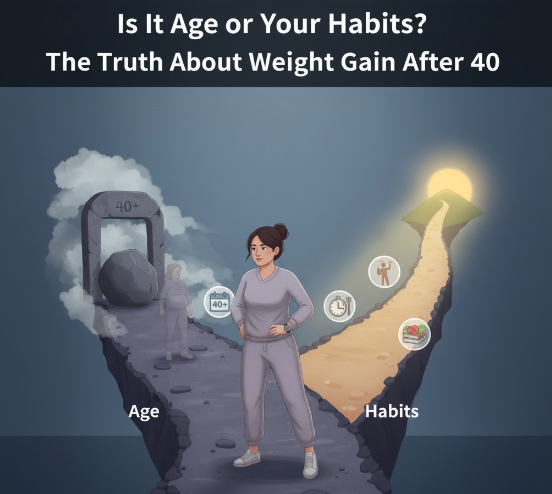
The truth about weight gain after 40 is that it’s a blend of both age and habits. But the balance of power lies squarely in the realm of the latter. You cannot stop the clock, but you can profoundly influence how your body responds to the passage of time.
This is your opportunity to trade outdated, restrictive diets for a smarter, stronger, and more sustainable approach to health. By building muscle, managing stress, prioritizing protein, and sleeping deeply, you are not just fighting weight gain; you are investing in your vitality, independence, and quality of life for decades to come.
Start with one change. Maybe it’s adding a protein shake to your breakfast or scheduling two strength workouts this week. Be patient and consistent. Your body is resilient and will respond powerfully to the right signals.
Ready to explore a scientific supplement designed to support your metabolism and address the unique hormonal challenges of life after 40?
If you’re committed to the holistic strategies outlined in this article but want to see if targeted nutritional support can help you overcome stubborn plateaus, you can learn more about Progenifix directly from the official source.
On the official site, you can make a fully informed decision based on transparent data and ensure you are receiving the genuine, high-quality product. Take this step as part of your empowered journey to reclaim your metabolic health and feel your best in your 40s, 50s, and beyond.
Leave a Reply